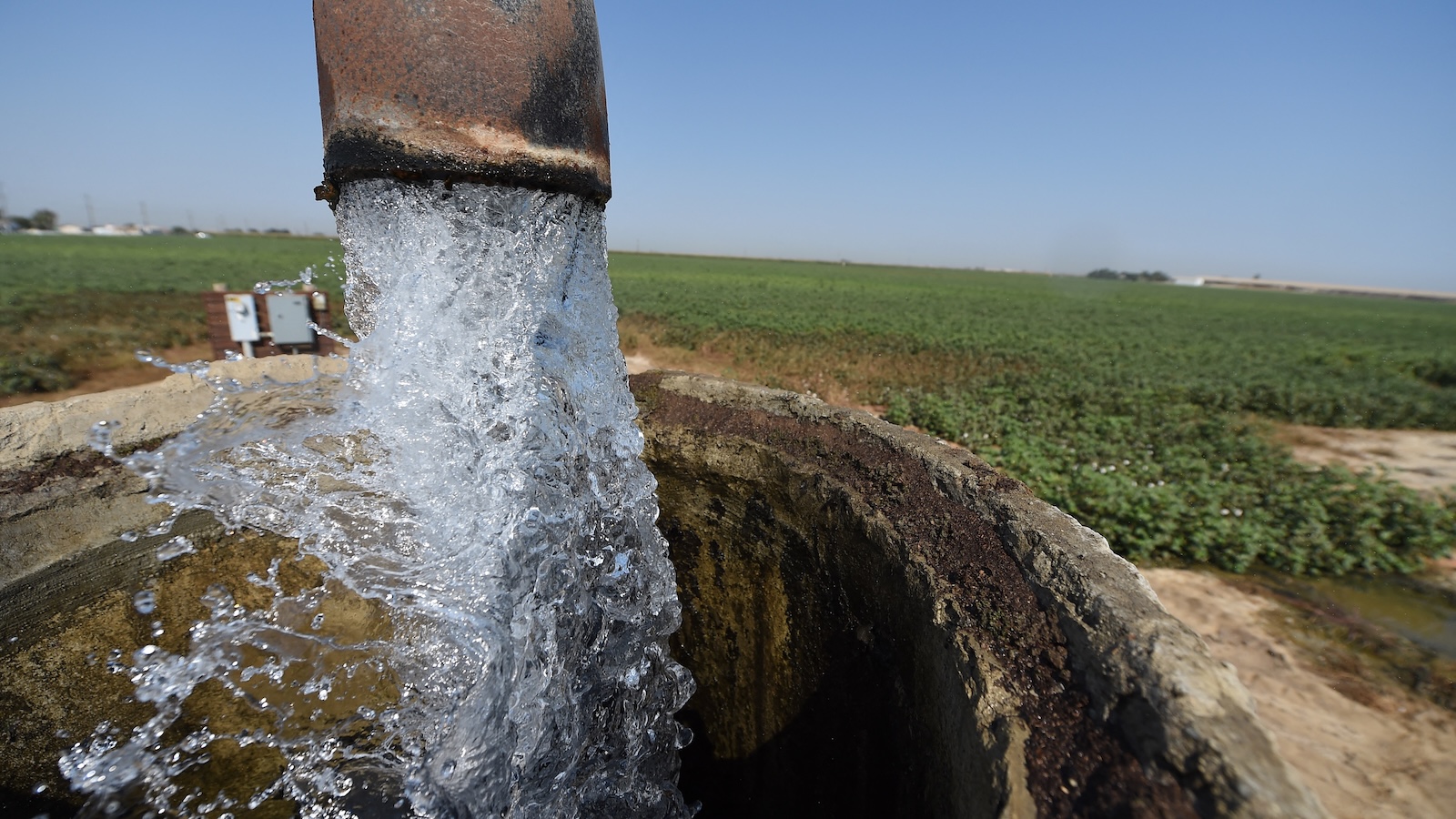
The World Health Organization released new information about safe drinking water today. Clean water is necessary for everyone to stay healthy and avoid getting sick. Governments across the globe use these guidelines to keep daily tap water clean for every family.
Why is safe drinking water important for your health?
People need clean water every single day to drink, cook, and wash their hands. When water is dirty, it carries small germs that make kids and adults very ill. Having a safe supply in every house stops bad diseases before they can spread through a whole neighborhood.
getting clean drinking water helps entire towns stay strong and productive. Kids can go to school every day instead of staying home sick. Parents can go to work and take care of their families without worrying about the liquid coming out of their home faucets.
What does the World Health Organization do about tap water?
The World Health Organization checks how water affects human bodies all over the planet. They look at dirty lakes, rivers, and deep wells to see what makes the supply unsafe. Then, they write rules that tell local leaders how to clean up their supply systems.
These international experts help local leaders build better pipes and treatment plants. They share testing methods so workers can find bad germs quickly. Follow these rules helps towns create better drinking water quality standards for all their citizens.
How local communities keep your daily supply clean
Local water plants work hard every hour to clear out mud, dirt, and hidden chemicals. They run fresh liquid through large filters to trap bad items before anything reaches your kitchen sink. Workers also put safe chemicals inside the pipes to kill leftover germs instantly.
Here are the key ways cities protect your supply every day:
- Testing the supply: Workers check samples every morning to catch dangerous germs early.
- Filtering out dirt: Huge screens pull out mud, leaves, and small stones from river water.
- Fixing broken pipes: Teams mend old lines so dirty dirt from the ground cannot get inside.
- Teaching the public: Cities tell citizens how to store their liquids safely at home.
What should you watch for in the future?
As towns get bigger, keeping liquids clean becomes a harder job for local workers. Weather changes and old underground pipes can bring fresh dirt into the local supply. Leaders must spend money to fix old systems so homes continue to get safe tap options.
You can check updates from health groups to know if your local tap is safe to use. If your local group says there is a problem, boil your liquids before using them. Working together helps make sure every person gets the clean supply they need every day.